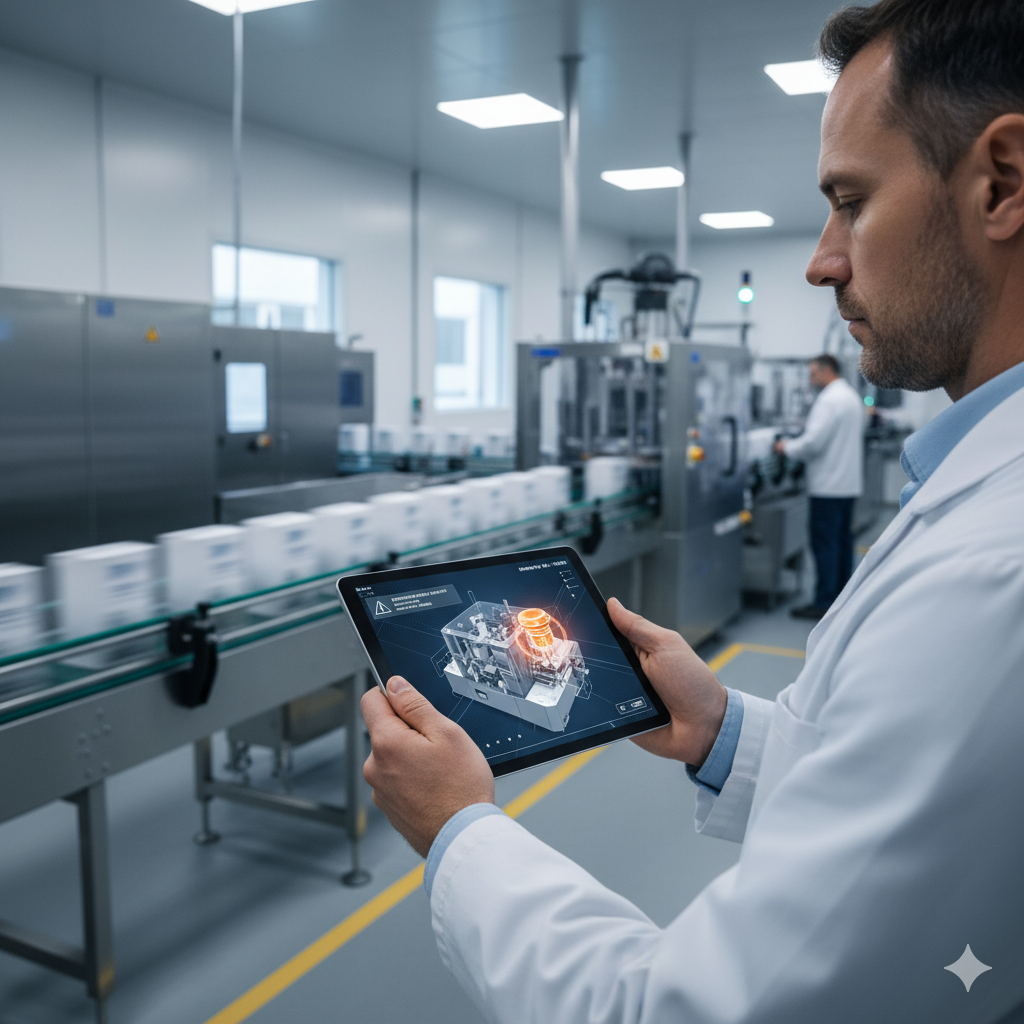


Tetra Pak machines are the backbone of modern food and beverage production. When a filler or aseptic system stops, every minute of downtime costs money. That’s why Tetra Pak spare parts are designed with meticulous precision, combining advanced CNC technology and sustainable manufacturing to keep production lines running smoothly.
Why Tetra Pak Spare Parts Matter
From aseptic fillers to complex labelling units, every component is engineered for reliability. A single valve or servo must meet micron-level tolerances and withstand the rigors of high-speed production. Genuine Tetra Pak parts guarantee perfect fit, traceability, and certified food safety. Trusted partners such as Sidel and Endoline occasionally provide complementary equipment, but genuine parts remain critical for efficiency.
Precision Manufacturing with CNC Technology
CNC machining is at the heart of Tetra Pak spare-part production. Multi-axis milling, precision lathes,and in-process inspection allow manufacturers to recreate even the most intricate components. Every gear, actuator, and valve is checked against Tetra Pak specifications to ensure reliable, long-term operation. Suppliers like P.E. LABELLERS S.P. integrate some of these parts into labelling systems, ensuring smooth line performance.
Sustainable Practices in Spare Part Production
Sustainability is a core principle of Tetra Pak spare-part manufacturing. Remanufactured modules, recycled stainless steel, and minimal-waste packaging reduce environmental impact. Critical components, such as servo drives or valves, are refurbished rather than discarded, extending their lifecycle while maintaining food-grade compliance.
| Aspect | Generic Part | Tetra Pak Genuine Part |
|---|---|---|
| Compatibility | May require adjustments | Exact OEM fit |
| Precision & Tolerance | Variable | Micron-level CNC accuracy |
| Traceability | Limited | Full certification & documentation |
| Lifespan | Single-use | Refurbishable & sustainable |
Rapid CNC Replacement: A Real-World Scenario
When a Tetra Pak cap feeder fails mid-run, a certified supplier extracts the CAD model and machines a new part within 24 hours using multi-axis CNC. The line resumes production the next day, minimizing downtime. Precision, sustainable materials, and fast logistics are key to keeping operations seamless. Partners like GUALAPACK may help integrate the component, but Tetra Pak parts ensure reliability.
Key Metrics for Tetra Pak Spare-Part Production
| Metric | Target |
|---|---|
| Emergency Lead-time | <2 days |
| Surface Roughness (Ra) | <0.8 µm |
| Re-use / Remanufacture Rate | >60% |
| Carbon Footprint Reduction | ~30–40% |
The Future of Tetra Pak Spare Parts
- Predictive Maintenance: Sensors monitor wear and trigger part production before failure.
- On-site CNC Cells: Local micro-manufacturing allows faster production of emergency spare parts.
- Advanced Materials: Recyclable alloys and food-safe composites improve durability and reduce environmental impact.
- Closed-Loop Remanufacturing: Critical modules are refurbished and reintegrated, extending lifecycle and reducing waste.
Conclusion
Genuine Tetra Pak spare parts, supported occasionally by trusted partners like Sidel, Endoline, P.E. LABELLERS S.P., and GUALAPACK, are essential for operational reliability, sustainability, and precision. By choosing authentic components, packaging lines maintain efficiency, reduce downtime, and minimize environmental impact. CNC innovation and sustainable manufacturing are the future of Tetra Pak spare-part production.
Learn more about Tetra Pak spare parts and certified suppliers at ampionic.com.